If you've heard the term "SEO" thrown around but aren't sure what it means for your small business - you're not alone. And if you've heard "local SEO" and assumed it was too technical to bother with, this article is for you.
Let me explain what it actually is, why it matters more than most small businesses realise, and what you can start doing today.
What Is SEO?
SEO stands for Search Engine Optimization. In plain language, it's the practice of making your website and online presence show up higher in Google search results when people search for things you offer.
When someone types "emergency plumber in Burnaby" or "best hair salon near me," Google uses hundreds of signals to decide which businesses to show first. SEO is the work of improving those signals so your business shows up - and ranks high enough to get clicked.
What Makes "Local" SEO Different?
Regular SEO focuses on ranking for search terms in general. Local SEO is specifically about showing up for searches that have geographic intent - where the searcher is looking for something near them.
There are two main places you can show up in local search:
1. The Google Map Pack
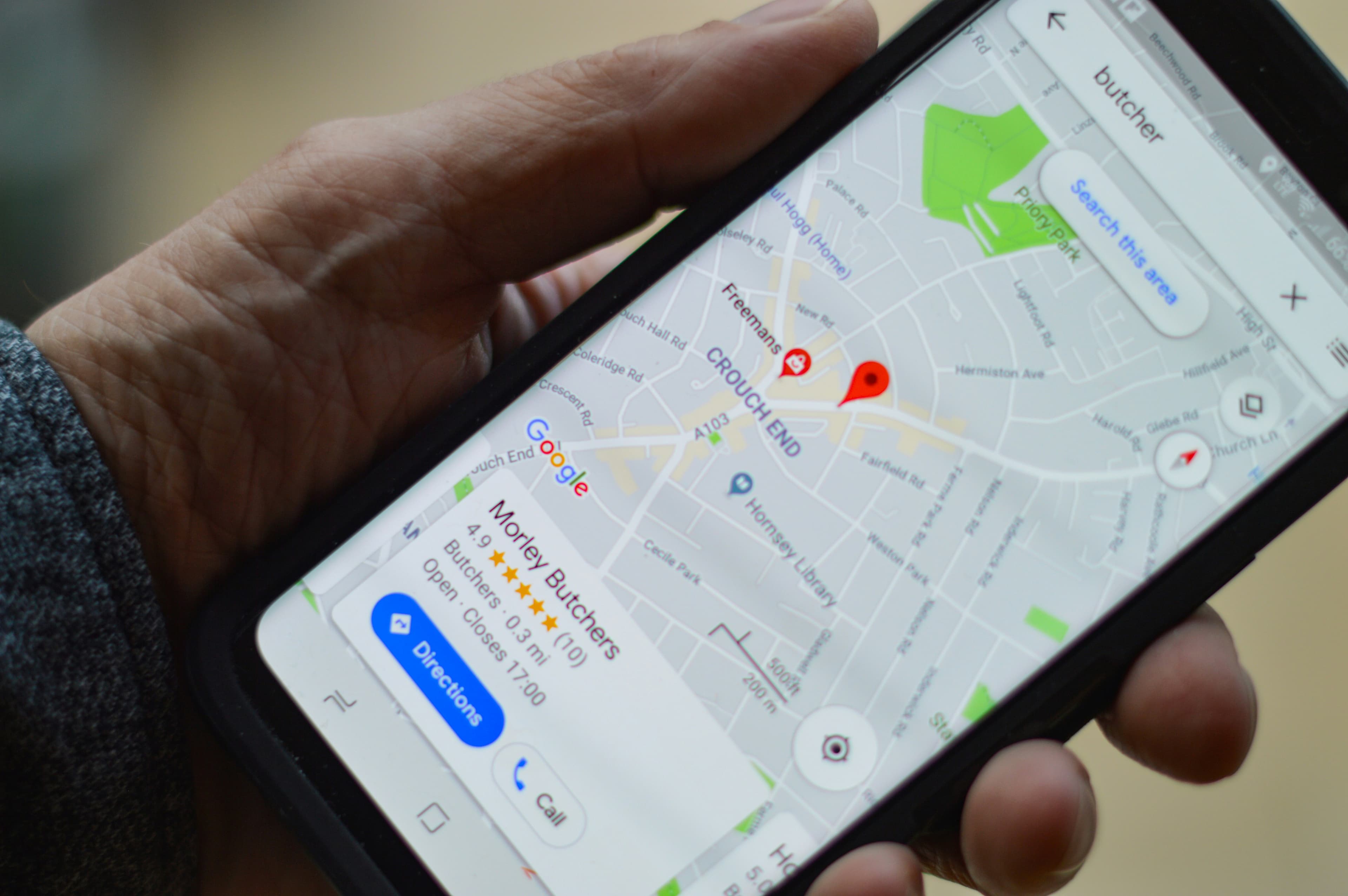
This is the set of 3 business listings that appear with a map above the regular search results. Getting into the Map Pack for your main service terms is one of the highest-value things you can do for a local business.
2. Organic Search Results
These are the standard website links below the map. While the Map Pack gets most of the clicks for local searches, ranking well in organic results still matters - especially for informational queries.
Why It Matters for Small Businesses
Here's the thing: when someone searches for what you offer locally, they're already ready to buy or hire. These aren't casual browsers. They're people actively looking for a solution right now.
97% of consumers use the internet to find local businesses. 76% of mobile searches for something nearby result in a same-day store visit or phone call.
If you're not showing up when these people search, a competitor who is will get that business - even if you're better at what you do.
The Key Components of Local SEO
Google Business Profile
This is the most important piece of local SEO. It's your business listing on Google - the card that shows your hours, phone number, photos, reviews, and directions.
A fully optimized Google Business Profile significantly improves your chances of appearing in the Map Pack. It's also free.
Make sure yours has:
- Accurate NAP (Name, Address, Phone) information
- Consistent business hours
- A detailed description with your service keywords
- Real photos of your business, team, and work
- A steady stream of reviews (and responses to those reviews)
On-Page SEO
Your actual website needs to tell Google what you do and where you do it. That means:
- Page titles that include your service and location (e.g., "Plumber in Burnaby, BC - ABC Plumbing")
- A proper heading structure (H1, H2, etc.)
- Content that naturally includes local keywords
- Your address and contact information on every page
Local Citations
A citation is any mention of your business's name, address, and phone number online - in directories, on review sites, in local listings.
Consistent citations across Google, Yelp, Yellow Pages, and industry-specific directories build Google's confidence that your business is legitimate and located where you say it is.
Consistency matters. If your address appears slightly differently on different sites (e.g., "St." vs. "Street"), it can actually hurt your rankings.
Reviews
Reviews are one of the most powerful ranking signals for local SEO - and they directly influence whether people choose you once they find you.
A business with 50 genuine reviews at 4.8 stars will almost always outperform an identical competitor with 5 reviews. Getting into the habit of asking happy customers for a Google review is one of the highest-ROI things you can do.
What You Can Do Right Now
- Claim and complete your Google Business Profile if you haven't already. It's free and takes about 30 minutes.
- Check that your business information is consistent across your website, Google, Yelp, and Facebook.
- Ask your last 10 satisfied customers for a Google review. Send them the link directly to make it easy.
- Make sure your website mentions your location - not just your phone number. "Serving [City] and surrounding areas" on every page helps.
Local SEO isn't magic - it's consistent, deliberate work over time. But the businesses that do it well have a significant and compounding advantage over those that don't.
If you want to understand where your business stands and what the highest-impact improvements would be, I offer free SEO audits for small businesses.